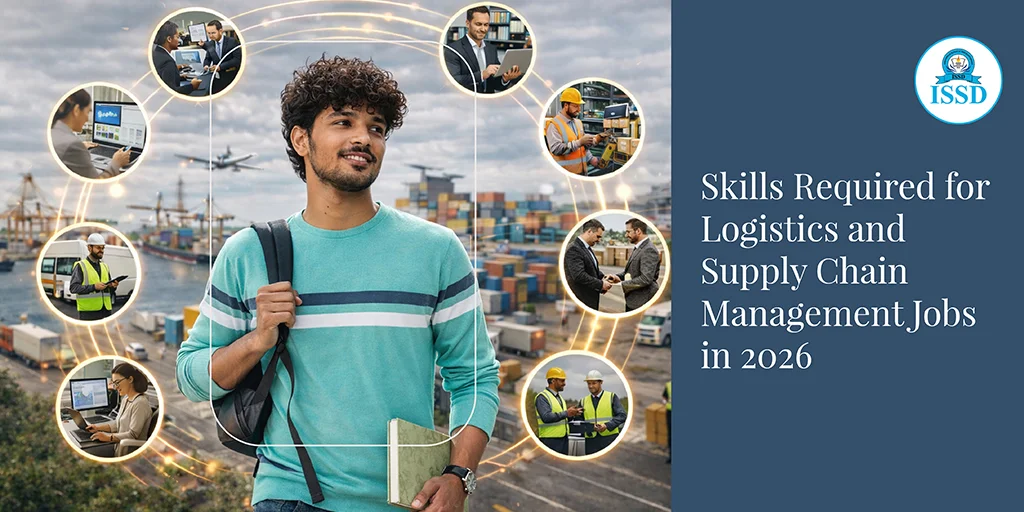
Skills Required for Logistics and Supply Chain Management Jobs in 2026
The logistics and supply chain industry in India is evolving rapidly with the adoption of digital technologies, automation, and global trade expansion. In 2026, companies are not just looking for basic operational knowledge—they want professionals who are skilled, adaptable, and industry-ready.
If you are planning to build a career through a logistics course or a logistics and supply chain management course, understanding the key skills required will give you a strong competitive advantage in the job market.
Today’s supply chains are:
- Technology-driven
- Data-oriented
- Fast-paced and customer-focused
This means employers expect candidates to have both technical knowledge and practical skills. Whether you are a fresher or a working professional, developing the right skills can directly impact your salary, job role, and career growth.
1. Supply Chain Fundamentals
Before learning advanced tools, you must understand the basics of supply chain management.
Key concepts include:
- Procurement and sourcing
- Inventory management
- Warehousing operations
- Transportation and distribution
A strong foundation helps you understand how goods move from suppliers to customers.
2. Warehouse Management Skills
Warehouse operations are at the core of logistics jobs.
Important skills include:
- Stock handling and storage techniques
- Picking, packing, and dispatch processes
- Inventory tracking
- Understanding warehouse layouts
These skills are essential for roles like warehouse executive, store keeper, and logistics coordinator.
3. Knowledge of WMS and ERP Systems
Modern companies rely heavily on digital tools.
Important systems:
- Warehouse Management Systems (WMS)
- Enterprise Resource Planning (ERP)
These tools help in:
- Tracking inventory
- Managing orders
- Generating reports
Basic knowledge of these systems is highly valued in a warehouse and logistics course.
4. Data Analysis and Reporting
Data plays a major role in decision-making in supply chains.
You should be able to:
- Analyze inventory reports
- Understand demand trends
- Track delivery performance
Basic knowledge of Excel and reporting tools is often enough for entry-level roles, but advanced analytics skills can lead to higher-paying jobs.
5. Communication Skills
Logistics professionals work with multiple teams, including:
- Suppliers
- Transport partners
- Warehouse staff
- Customers
Good communication skills help in:
- Coordinating operations
- Avoiding delays
- Managing issues effectively
6. Problem-Solving Ability
Supply chain operations often face challenges such as:
- Delivery delays
- Stock shortages
- Transportation issues
Employers look for candidates who can:
- Think quickly
- Find solutions
- Handle pressure
7. Time Management and Coordination
In logistics, timing is everything.
You must be able to:
- Meet delivery deadlines
- Manage multiple tasks
- Coordinate between departments
Strong time management ensures smooth operations and customer satisfaction.
8. Understanding of Transportation and Distribution
Transportation is a key part of logistics.
Skills include:
- Route planning
- Freight management
- Understanding shipping processes
- Coordination with transport vendors
9. Digital and Technology Skills
With the rise of digital supply chains, technical skills are becoming essential.
Important areas include:
- Basics of Artificial Intelligence (AI)
- Internet of Things (IoT) in logistics
- Automation tools
- Cloud-based systems
Professionals with digital skills have better career growth opportunities.
10. Attention to Detail
Small mistakes in logistics can lead to:
- Wrong deliveries
- Inventory mismatches
- Financial losses
Being detail-oriented helps in maintaining accuracy and efficiency.
11. Customer Service Orientation
Customer satisfaction is a top priority in logistics.
You should be able to:
- Handle customer queries
- Resolve complaints
- Ensure timely delivery
12. Teamwork and Leadership Skills
Logistics operations involve teamwork.
As you grow in your career, leadership skills become important for roles like:
- Warehouse Manager
- Operations Manager
- Supply Chain Manager
13. Adaptability and Learning Mindset
The logistics industry is constantly changing.
You must be willing to:
- Learn new technologies
- Upgrade your skills
- Adapt to industry trends
Career Opportunities After Gaining These Skills
With the right skill set, you can apply for roles such as:
- Logistics Coordinator
- Warehouse Executive
- Supply Chain Analyst
- Procurement Executive
- Operations Manager
Completing a logistics and supply chain management course in India can help you gain these skills and enter the industry faster.
International School of Skill Development (ISSD) offers industry-oriented online logistics management courses designed to make students job-ready.
Key Advantages:
- Live online classes with expert trainers
- Industry-relevant syllabus covering all key skills
- Training in WMS, ERP basics, and supply chain concepts
- Resume preparation and interview training
- Mock interviews and soft skill development
- Strong placement support
Logistics Course Options at ISSD:
- Diploma in Supply Chain, Warehouse and Logistics Management
- Duration: 1 year
- Lumpsum Fee: ₹1,30,000
- Installment Fee: ₹1,40,000
- Duration: 2 months
- Lumpsum Fee: ₹17,000
- Installment Fee: ₹20,000
These courses are ideal for freshers, graduates, and working professionals.
Future Scope of Logistics Careers in India
India’s logistics sector is growing rapidly due to:
- E-commerce expansion
- Global trade growth
- Government infrastructure development
Skilled professionals are in high demand, especially those trained in digital and smart supply chain systems.
To succeed in logistics and supply chain management jobs in 2026, you need a combination of technical knowledge, digital skills, and soft skills.
Whether you are starting your career or looking to upgrade your skills, enrolling in a professional logistics course or supply chain management course can help you build a strong foundation and secure high-paying job opportunities.
Develop the right skills today, and you can build a successful career in one of the fastest-growing industries in India.